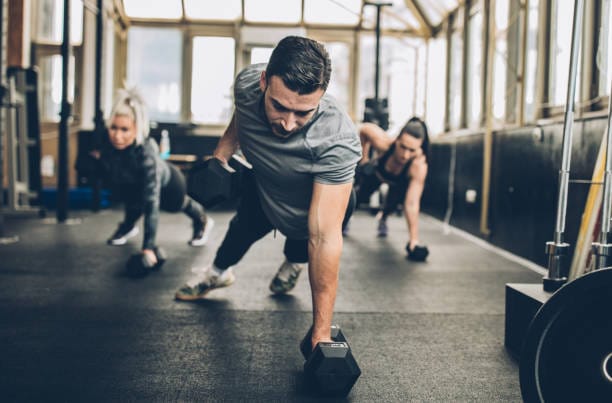
Functional Training is a form of exercise that trains your muscles to work together in ways that mimic real-life movements and activities. The goal is to improve movement efficiency, core strength, balance, mobility, and stability — not just raw strength or endurance.
” Nowadays I’m seeing a lot more people are indulging or incorporating functional training into their workout routines, says one of the experts who recommends for their everyday usefullness & injury prevention “
Useful for Everyday activities (lifting, walking, bending, reaching), Sports performance, Injury prevention and rehabilitation.Think of functional fitness as maximizing your workout time to make everyday life easier. Typical injuries can occur to people most would consider “in shape” — No one is immune to something as simple as a tweaked back or sprained ankle.
Key Characteristics of Functional Training
Multi-joint, multi-muscle movements
Focuses on compound exercises rather than isolated ones.
Example: A lunge with a twist involves legs, glutes, core, and upper body.
Core-focused
Almost all movements engage the core for stability and control.
Balance and coordination
Often done on unstable surfaces (e.g., BOSU ball, balance boards) to engage stabilizing muscles.
Planes of movement
Trains you in all three planes:
Sagittal (forward/backward – squats, lunges)
Frontal (side-to-side – lateral lunges)
Transverse (rotational – medicine ball throws)
Equipment-light or bodyweight-friendly
Can use kettlebells, dumbbells, resistance bands, TRX, medicine balls, etc.
Benefits of Functional Training
Improves movement quality
Mimics daily or sport-specific tasks
Enhances balance and stability
Great for fall prevention and joint health
Boosts core strength
Helps with posture and injury prevention
Enhances athletic performance
Develops speed, agility, coordination
Increases flexibility and mobility
Reduces stiffness and improves joint function
Promotes neuromuscular coordination
Mind-muscle connection improves
Functional training is built around 7 primal movement patterns:
Squat (e.g., goblet squat)
Hinge (e.g., kettlebell deadlift)
Lunge (e.g., forward/reverse lunges)
Push (e.g., push-up, overhead press)
Pull (e.g., rows, pull-ups)
Twist/Rotate (e.g., Russian twist, medicine ball throws)
[…] As while understandng this concept of fatty liver the major part to control that disease is to manage healthy weight and train your body MUST READ: Functional Training […]
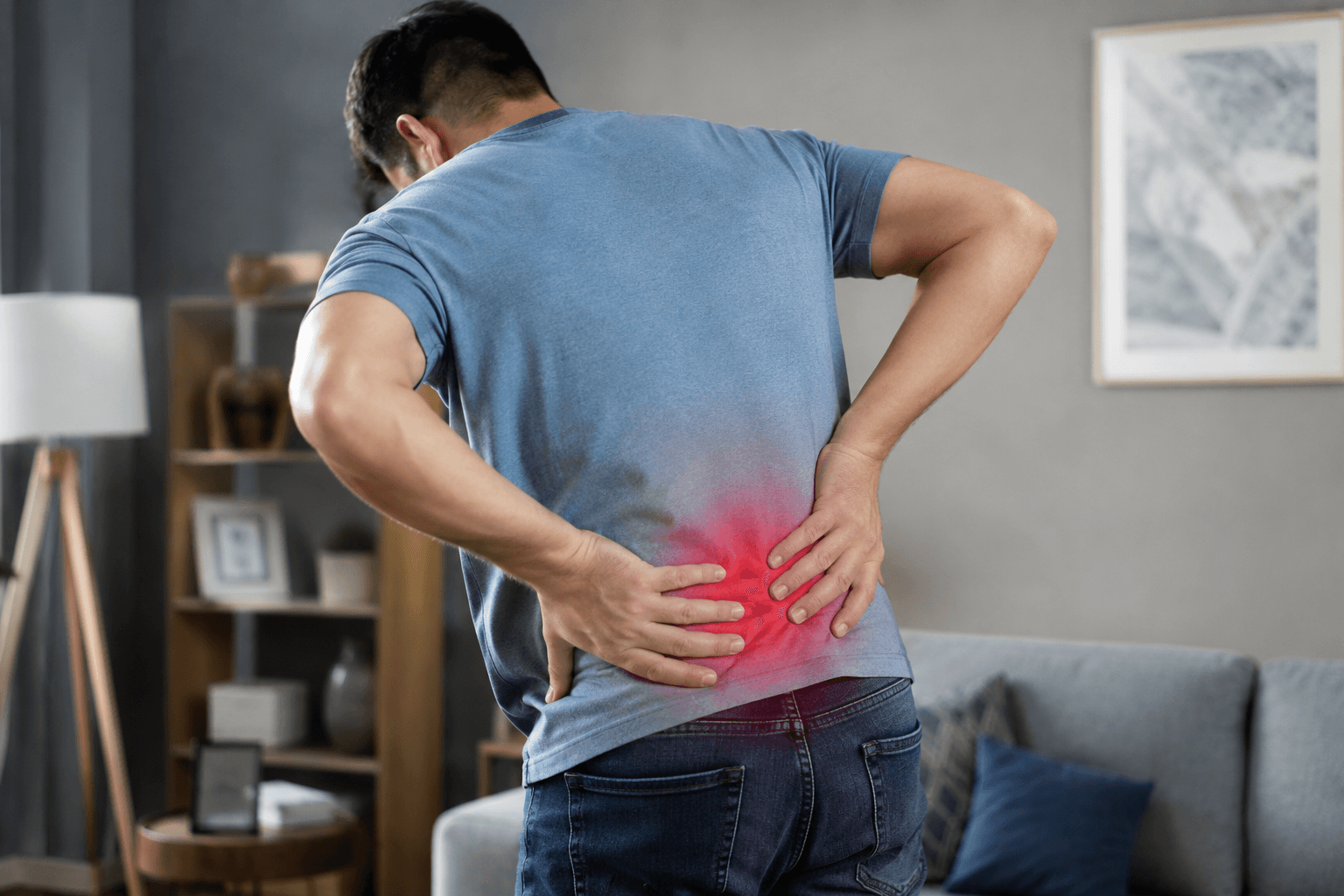
Suffering from Low back pain? Low back pain is the most common musculoskeletal issue that causes disability across all age groups. It is described as pain, stiffness, or tightness in the muscles above the gluteal Read more
Energy drinks have become one of the most widely consumed beverages worldwide, especially among young adults, athletes, students, and people with demanding work schedules. These drinks claim to boost energy, alertness, and mental performance. However, Read more
What Is the Influenza Virus? The influenza virus is an acute, highly contagious viral infection caused by viruses belonging to the Orthomyxoviridae family. It primarily affects the respiratory tract, including the nose, throat, and lungs, Read more

1 Comment
Fatty liver Disease: Non alcoholic fatty liver disease (NAFLD), What is that ? - Nutriphyfit · June 21, 2025 at 12:19 am
[…] As while understandng this concept of fatty liver the major part to control that disease is to manage healthy weight and train your body MUST READ: Functional Training […]