Energy drinks have become one of the most widely consumed beverages worldwide, especially among young adults, athletes, students, and people with demanding work schedules. These drinks claim to boost energy, alertness, and mental performance. However, they contain high levels of caffeine, sugars, and various stimulants, which have powerful effects on the nervous system and the cardiovascular system. The heart and blood vessels are particularly sensitive to stimulants, and because of this, energy drinks can significantly impact blood pressure (BP), heart rate, heart rhythm, and overall cardiovascular function. For individuals who already have hypertension, even moderate consumption can create additional strain on the cardiovascular system — sometimes enough to trigger dangerous symptoms.
Energy drinks contain a combination of high caffeine, sugars, stimulant herbs, and additives that can significantly influence cardiovascular function.
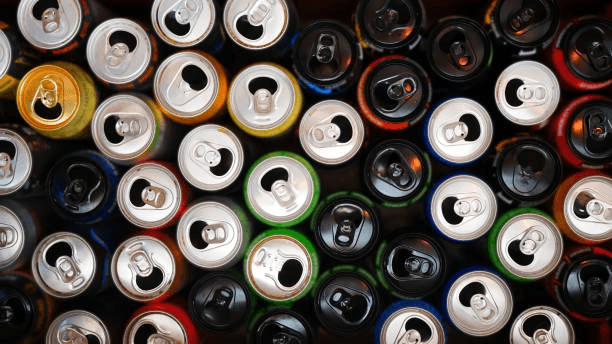
Key Ingredients in Energy Drinks Affecting the Heart
A. Caffeine
- Most energy drinks contain 80–300 mg of caffeine per can, sometimes more.
- Caffeine is a cardiac stimulant → increases alertness but also increases heart workload.
- It activates the sympathetic nervous system, releasing adrenaline.
B. Sugar (Often 20–40 g per can)
- Causes rapid blood glucose elevation → increases insulin → contributes to inflammation and oxidative stress.
- Long-term excess sugar intake is associated with higher cardiovascular risk.
C. Taurine, Guarana, L-Carnitine, Ginseng
- These have stimulant-like effects.
- When combined with caffeine, effects become stronger and less predictable.
Effects of Energy Drinks on Blood Pressure (Hypertension)
A. Immediate Blood Pressure Rise
Studies consistently show that energy drinks can cause:
- Systolic BP increase by 5–15 mmHg
- Diastolic BP increase by 3–10 mmHg
This can occur within 30–60 minutes after consumption.
Why does BP rise?
- Vasoconstriction (blood vessels narrow due to adrenaline).
- Faster heart rate → more pressure on the arteries.
- Increase in circulating stress hormones (epinephrine, norepinephrine).
- High sugar load → increases vascular stiffness.
Danger for hypertensive individuals:
- A small rise may push already high BP into dangerous levels.
- Increases risk of hypertensive urgency, arrhythmias, or stroke, especially if taken in multiple cans/day.
Millions of people worldwide regularly drink the products, which are non-alcoholic and typically contain more than 150mg of caffeine per litre, very high glucose-based sugar content and varying quantities of other chemicals.
Doctors in Nottingham, England, sounded the alarm after an otherwise fit and healthy man in his 50s had a stroke and was left with permanent numbness in his hands and feet. On questioning, he said he drank an average of eight energy drinks a day.
The case, reported in the medical journal BMJ Case Reports, also prompted doctors to call for tighter regulation of sales and advertising of energy drinks.
Hypertension (high blood pressure) already forces the heart to pump harder and makes the arteries stiff. When energy drinks are added into the system, their stimulants amplify this stress, placing extra workload on a heart that may already be compromised. Over time, repetitive consumption can worsen hypertension and increase the risk for heart disease.
Effects on Blood Vessels
A. Reduced Vascular Function
Energy drinks temporarily:
- Reduce endothelial function (the vessel lining’s ability to expand)
- Increase arterial stiffness
- Increase oxidative stress
B. Impact on Hypertensive Patients
Already stiff or narrowed blood vessels become even less flexible → worsening hypertension.
Effects on the Heart Muscle
A. Increased Oxygen Demand
Stimulants force the heart to pump harder → heart needs more oxygen.
B. Decreased Oxygen Supply
Vasoconstriction reduces blood flow to the heart muscle.
This mismatch can cause:
- Chest pain
- Shortness of breath
- In extreme cases, myocardial ischemia (heart muscle not getting enough oxygen)
Rare but severe cases reported:
- Heart attacks in young adults without prior disease (often after multiple cans)
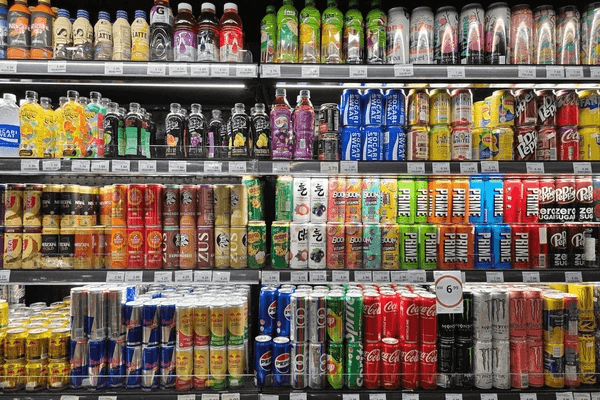
10 Potential Side Effects of Energy Drinks
1. Increased Blood Pressure (Hypertension Spike)
Energy drinks can raise systolic and diastolic BP within 30–60 minutes due to caffeine and vasoconstriction.
2. Rapid Heart Rate (Tachycardia)
High caffeine stimulates the heart’s pacemaker, causing a fast heartbeat or pounding sensations.
3. Heart Palpitations & Arrhythmias
Irregular heart rhythms (like skipped beats, AFib, SVT) can occur due to stimulants + sugar overload.
4. Anxiety, Nervousness, and Jitteriness
Energy drinks overstimulate the central nervous system → causing restlessness, shaking, and intense anxiety.
5. Chest Pain
Heart strain + vasoconstriction can lead to chest tightness or angina-like pain, especially in hypertensive individuals.
6. Sleep Disturbances & Insomnia
Caffeine blocks adenosine receptors, making it harder to fall asleep and reducing sleep quality.
7. Headaches & Migraines
Caffeine fluctuations and dehydration may trigger headaches or rebound migraines.
8. Digestive Problems
High acidity, sugar, and carbonation may cause:
- Nausea
- Stomach upset
- Acid reflux
- Abdominal discomfort
9. Kidney Strain
Caffeine increases urination and can affect sodium handling, placing strain on kidneys → indirectly raising BP.
10. Increased Risk of Heart Attack or Stroke (Severe Cases)
In rare situations, especially after consuming multiple cans:
- Extreme BP spikes
- Severe arrhythmias
- Reduced blood flow to the heart
→ can trigger serious cardiac or vascular events.

0 Comments