
Hepatitis B (HBV) is a viral infection caused by the Hepatitis B virus, which primarily affects the liver. It can present as acute (short-term) or chronic (long-term) disease. Chronic infection can lead to cirrhosis, liver failure, and hepatocellular carcinoma (HCC).
HBV is a DNA virus belonging to the Hepadnaviridae family.
Structure and Virology
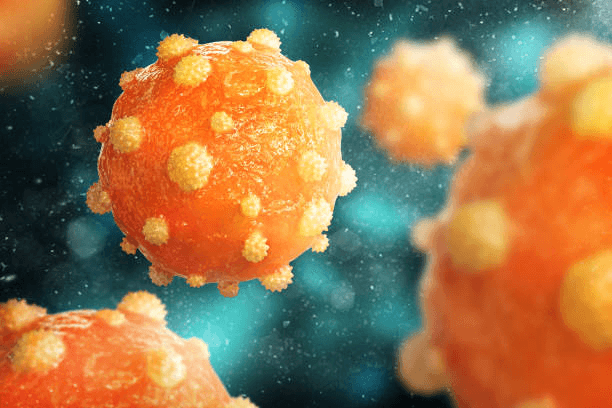
- Type: Partially double-stranded DNA virus
- Shape: Spherical, enveloped
- Key antigens:
- HBsAg (Surface antigen) – marker of infection
- HBcAg (Core antigen) – not measurable in blood but indicates viral presence
- HBeAg (Envelope antigen) – marker of active viral replication and infectivity
Lifecycle
- Virus enters hepatocytes using NTCP (sodium taurocholate co-transporting polypeptide) receptor.
- Converts relaxed circular DNA → cccDNA (covalently closed circular DNA).
- cccDNA remains in hepatocytes, contributing to chronic persistence.
- Viral replication occurs via reverse transcription, like retroviruses.
Transmission
HBV spreads through blood or body fluids, including:
Major Routes
- Perinatal transmission (mother-to-child) – most common cause of chronic HBV globally.
- Unprotected sexual contact.
- Parenteral exposure:
- Shared needles (IV drug use)
- Non-sterile medical instruments
- Blood transfusion (rare due to screening)
Less Common Routes
- Household contact via open wounds
- Tattooing or piercing with unsterile tools
Not spread through
- Casual contact
- Food or water
- Breastfeeding (unless nipples are cracked/bleeding)
Key facts
- Hepatitis B is a viral infection that attacks the liver and can cause both acute and chronic disease.
- The virus is most commonly transmitted from mother to child during birth and delivery, in early childhood, as well as through contact with blood or other body fluids during sex with an infected partner, unsafe injections or exposures to sharp instruments.
- WHO estimates that 254 million people were living with chronic hepatitis B infection in 2022, with 1.2 million new infections each year.
- In 2022, hepatitis B resulted in an estimated 1.1 million deaths, mostly from cirrhosis and hepatocellular carcinoma (primary liver cancer).
- Hepatitis B can be prevented by vaccines that are safe, available and effective.
Stages and Natural History
1. Acute Hepatitis B
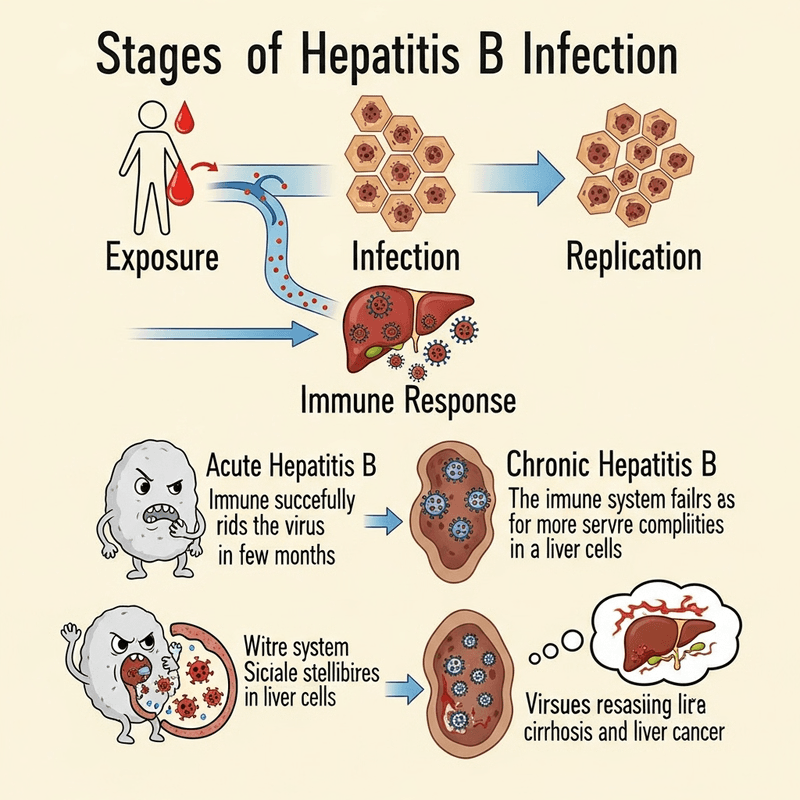
- Incubation period: 1–4 months
- Most adults recover completely.
- 5–10% progress to chronic infection.
2. Chronic Hepatitis B
Likely when:
- Infection occurs in infancy: 90% become chronic
- Infection in early childhood: 30%
- Adults: <10%
Chronic HBV phases (AASLD/EASL classification):
- Immune tolerant phase
- High viral load
- Normal ALT
- Minimal inflammation
- Immune active phase
- Elevated ALT
- High viral load
- Active liver damage
- Inactive carrier phase
- Low or undetectable viral load
- Normal ALT
- Minimal activity
- Reactivation phase
- Occurs due to immunosuppression
- Increased viral replication and ALT elevation
Clinical Features
1. Acute Hepatitis
- Often asymptomatic
- Symptoms (if present):
- Fatigue
- Fever
- Nausea, vomiting
- Abdominal pain
- Dark urine
- Clay-colored stools
- Jaundice
2. Chronic Hepatitis
- Often silent until advanced
- Symptoms appear in late stages:
- Persistent fatigue
- Right upper quadrant discomfort
- Signs of cirrhosis:
- Ascites
- Edema
- Variceal bleeding
- Hepatic encephalopathy
10 IMPORTANT SIGNS & SYMPTOMS OF HEPATITIS B
Jaundice (Yellowing of skin & eyes)
Caused by increased bilirubin due to impaired liver function.
One of the most classic signs of hepatitis.
Often appears after earlier symptoms like fatigue and nausea.
Extreme Fatigue / Weakness
Loss of Appetite (Anorexia)
Common especially in acute HBV.
May be accompanied by aversion to fatty foods or strong smells.
Nausea and Vomiting
Due to buildup of toxins the liver cannot process.
Often worsens after eating.
Right Upper Quadrant (RUQ) Abdominal Pain
Dull, aching discomfort under the right ribs.
Caused by liver swelling and inflammation stretching the liver capsule.
Dark Urine (Tea-colored or cola-colored)
Due to excretion of conjugated bilirubin in urine.
Often appears before jaundice and is an early warning sign.
Pale / Clay-Colored Stools
Occurs when bilirubin does not reach the intestines due to liver inflammation.
Suggests cholestasis or reduced bile flow.
Fever (Usually low-grade)
Typically early in acute HBV infection.
May be accompanied by flu-like body aches.
Joint Pain & Muscle Aches (Arthralgia / Myalgia)
Immune-complex mediated.
Often mistaken for viral fever or rheumatic symptoms.
Abdominal Swelling or Fluid Retention (in advanced/chronic disease)
Seen in chronic Hepatitis B progressing to cirrhosis.
Caused by portal hypertension → ascites
Often accompanied by leg swelling (edema).
Global Burden & Public-Health Status (As of 2022–2025)
- According to World Health Organization (WHO), around 254 million people worldwide lived with chronic Hepatitis B in 2022. World Health Organization+2World Health Organization+2
- Each year there are about 1.2 million new HBV infections globally. World Health Organization+1
- In 2022, HBV (and related hepatitis infections) caused around 1.1 million deaths — mostly from cirrhosis and liver cancer. World Health Organization+1
- Despite effective prevention/treatment tools, there remains a large gap in diagnosis and treatment: only ~13% of people with chronic HBV had been diagnosed as of 2022; and only a small fraction received antiviral therapy. World Health Organization+2World Health Organization+2
- This gap undermines efforts to meet global goals: under the WHO’s “elimination by 2030” strategy, the aim is to cut new hepatitis infections and deaths by huge margins. World Health Organization+2World Health Organization+2
New Guidelines & Public-Health Policy Updates
- In March 2024, WHO published updated guidelines on chronic HBV prevention, diagnosis, care, and treatment. Key changes: expanded eligibility for treatment (including adolescents), simplified criteria for initiating therapy, and broadened recommendation for prophylactic antivirals for pregnant women to prevent mother-to-child transmission. World Health Organization
- The guidelines also emphasise point-of-care (POC) viral load testing and reflex HBV-DNA testing to improve access to diagnosis — a step toward simplifying HBV care. World Health Organization
- There is increased focus on diagnosing coinfection with Hepatitis D (HDV) in HBV-infected individuals, as hepatitis D superinfection significantly worsens prognosis. World Health Organization+1
- For pregnant women: prophylactic antiviral therapy (when indicated) is more strongly recommended to prevent mother-to-child transmission (which remains a major route globally). World Health Organization
ALSO DO READ ABOUT – Alzheimer’s disease what is it, symptoms,causes and 7 preventive measures


Pingback: Energy drinks causes Hypertension and affect Heart health: 10 potential side effects of it. - Nutriphyfit