
Spine mobility refers to the ability of the vertebral column (the spine) to move freely through its natural ranges of motion: Flexion (bending forward), Extension (bending backward), Lateral flexion (side bending), Rotation (twisting)
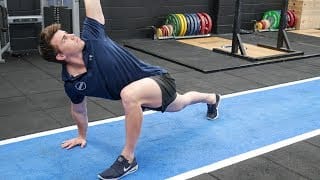
Good mobility ensures efficient movement, distributes mechanical loads evenly, and reduces injury risk.
Lets look at the anatomy of spine
Anatomy of the Spine Related to Mobility
| Region | Vertebrae | Function | Mobility Focus |
|---|---|---|---|
| Cervical Spine | C1–C7 | Supports head, allows high range of motion | Flexion, extension, rotation, lateral flexion |
| Thoracic Spine | T1–T12 | Anchors ribs, protects organs | Primarily rotation, some flexion/extension |
| Lumbar Spine | L1–L5 | Bears body weight, provides stability | Primarily flexion/extension, minimal rotation |
| Sacrum & Coccyx | Fused bones | Stability, force transmission | Very limited mobility |
Why is Spine Mobility Important?
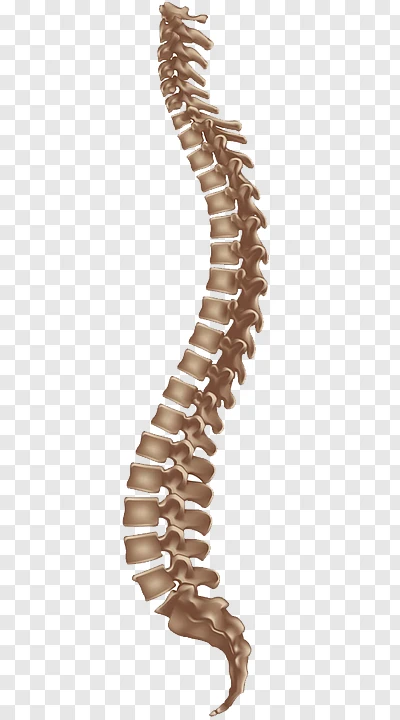
- Posture Maintenance: Prevents kyphosis (hunching) and lordosis (excessive inward curvature).
- Injury Prevention: Reduces strains, disc herniation risk, and nerve impingement.
- Efficient Movement: Essential for sports, daily activities, and functional strength.
- Pain Reduction: Helps manage or prevent chronic neck, back, and hip pain.
Functional Importance of Spine Mobility
- Load Distribution: Proper mobility prevents excessive load on specific vertebrae.
- Efficient Movement: Essential for functional tasks like lifting, running, and reaching.
- Injury Prevention: Reduces risk of disc herniations, muscle strains, and nerve impingements.
- Compensation Reduction: Prevents other joints (hips, shoulders) from overcompensating for stiffness.
Factors Affecting Spine Mobility
| Category | Factors |
|---|---|
| Structural | Joint degeneration (arthritis), congenital conditions |
| Muscular | Tightness (e.g., hip flexors, hamstrings), muscle imbalance |
| Neurological | Nerve tension, impingements |
| Lifestyle | Sedentary behavior, poor ergonomics |
| Age-Related | Disc dehydration, loss of elasticity |
Spine Mobility Exercises (Region-Specific)
| Region | Key Exercises | Focus |
|---|---|---|
| Cervical | Chin tucks, controlled neck rotations | Gentle mobility |
| Thoracic | Cat-cow, open books, thoracic foam rolling | Rotation and extension |
| Lumbar | Pelvic tilts, child’s pose, lumbar rotations | Gentle flexion/extension |
- Cat-Cow Stretch
- Thread the Needle (for thoracic)
- Seated Spinal Twist
- Cobra Stretch (lumbar extension)

General Tips:
- Dynamic stretching before activity
- Static stretching after workouts
- Mobilization techniques (e.g., foam rolling thoracic spine)
- Strengthen core muscles to support mobile and stable spine function
Programming Spine Mobility Work
Daily Maintenance Routine Example:
| Time of Day | Activity |
|---|---|
| Morning | Light spinal flossing (cat-cow, rotations) |
| Midday | Active stretches (seated twists, standing side bends) |
| Evening | Deep mobility work (foam rolling, longer holds) |
Sets/Reps Recommendation:
- Mobility drills: 2–3 sets of 8–12 repetitions
- Static stretching (if needed): Hold for 20–30 seconds
Common Mistakes to Avoid
- Aggressive stretching: Can strain ligaments or irritate discs.
- Forcing lumbar rotation: Focus thoracic when rotating.
- Neglecting stability: Always pair mobility gains with core strength training.
- Ignoring pain signals: Sharp pain is a red flag.

Tools That Assist Spine Mobility Foam rollers (thoracic extension drills), Peanut balls (for paraspinal release), Resistance bands (assisted thoracic rotations), Mobility sticks (guiding full-range movement)
Red Flags for Caution
Seek professional evaluation if:
- Spine mobility exercises cause sharp or radiating pain
- Significant loss of sensation or motor control
- Recent trauma (falls, accidents)
- Severe or worsening mobility loss
Spine mobility is a dynamic balance of flexibility, strength, and control across different spinal regions.
Good spine mobility boosts function, prevents injury, and supports whole-body health.
Must Read: About the Strength training
Pingback: What is Strength training: A structured & descriptive guide - Nutriphyfit
Pingback: What is Strength training: A structured & descriptive guide - Nutriphyfit