Red Light Therapy (RLT), also known as low-level laser therapy (LLLT) or photobiomodulation (PBM), is a non-invasive treatment that uses low-wavelength red or near-infrared light (600–1100 nm) to stimulate cellular function and promote healing and regeneration.
There’s a lot of ongoing research, publication of small studies and much discussion on the internet about the effectiveness of red light therapy for all types of health uses. Results of some studies do show some promise, but the full effectiveness of red light therapy has yet to be determined.
Other names you might hear to describe red light therapy include:
Low-level laser light therapy.
Low-power laser therapy.
Non-thermal LED light.
Soft laser therapy.
Cold laser therapy.
Biostimulation, photonic stimulation.
Photobiomodulation and phototherapy.
Applications
1. Dermatology
Acne and eczema treatment
Psoriasis management
Scar reduction and wound healing
Skin rejuvenation and anti-aging
2. Musculoskeletal and Rehabilitation
Pain relief in arthritis and fibromyalgia
Muscle recovery and performance enhancement
Tendinitis and joint inflammation
Post-surgical tissue healing
3. Neurological
Potential use in traumatic brain injury and neurodegenerative conditions (e.g., Alzheimer’s, Parkinson’s) under clinical investigation.
4. Other Uses
Hair regrowth in androgenic alopecia
Oral health (e.g., reducing inflammation, healing after dental procedures)
Mood enhancement (e.g., SAD – Seasonal Affective Disorder)
Red light therapy benefits
Non-invasive and painless
Drug-free alternative for chronic pain and skin conditions
Minimal to no side effects in most users
Improves circulation and reduces inflammation
May support faster tissue recovery in athletes and post-operative patients
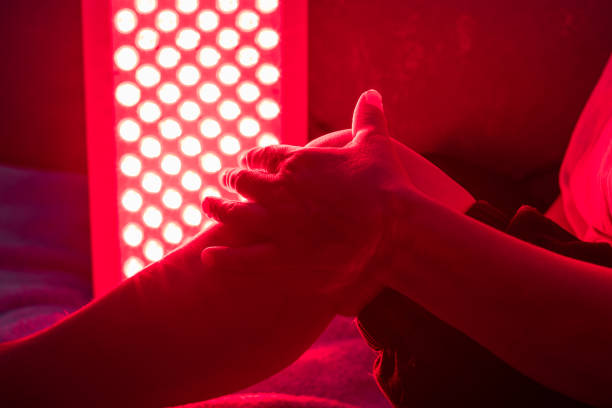
Closeup of sore leg of a person treating with the red light therapy panel
NASA (National Aeronautics and Space Administration) originally began experimenting with red light therapy on plant growth in space and then to help heal wounds in astronauts. Like many developments, other potential uses began to be investigated.
In fact, red light therapy is already widely medically accepted in its use in photodynamic therapy. In this therapy, low-power red laser light is used to activate a photosensitizer drug. The interaction creates a chemical reaction that destroys cells. It’s used to treat some skin conditions, including skin cancer and psoriasis, acne and warts, and other types of cancer.
Now, RLT is being investigated (or already in use) for treating a wide array of health conditions. What’s confusing — and controversial — is the effectiveness of the treatment for the purposes it’s being promoted.
Uses of Red Light Therapy (RLT)
Red Light Therapy is applied in clinical medicine, rehabilitation, dermatology, sports science, and wellness. It offers therapeutic effects such as pain relief, tissue repair, anti-inflammation, and cosmetic enhancement.
Dermatology & Skin Health
Musculoskeletal & Pain Management
Sports & Rehabilitation
Neurology and Mental Health
Hair and Scalp Therapy
Oral and Dental Health
Autoimmune and Chronic Inflammatory Conditions
Wellness and Biohacking
Veterinary Medicine
Experimental and Emerging Uses
Dermatology
Acne, wrinkles, wounds, psoriasis
Pain Relief
Arthritis, myofascial pain, back pain
Sports Rehab
DOMS, injury recovery, performance
Neurology
TBI, cognitive enhancement, depression
Hair
Alopecia, hair thinning
Dentistry
TMJ pain, post-op healing, inflammation
Wellness
Energy, mood, immune support, sleep
Veterinary
Wound care, arthritis, inflammation
Side Effects Overview
Severity
Examples
Management
Mild
Redness, warmth, tightness
Self-resolving, reduce intensity or frequency
Moderate
Headache, eye strain, photosensitive rash
Discontinue temporarily, consult professional
Serious (rare)
Eye damage, burns, photosensitivity crisis
Seek medical attention, review device safety
Similarly, Dr. Madfes doesn’t recommend red light therapy for anyone with photosensitizing medical conditions, such as lupus, or anyone taking a photo-sensitizing drug (including tetracycline, doxycycline, hydrochlorothiazide, naproxen). You should also avoid it if you have any open wounds or lesions on your skin.
Evidence and Research Base
1. Key Studies & Reviews
Hamblin MR et al. (Harvard): Pioneering work on PBM mechanisms and applications.
The Lancet (2009): Meta-analysis showing LLLT efficacy in neck pain.
Photomedicine and Laser Surgery Journal: Ongoing studies validating applications in tissue healing and neurology.
NIH trials: Evaluating RLT for brain injury, Alzheimer’s, fibromyalgia, and PTSD.
Suffering from Low back pain? Low back pain is the most common musculoskeletal issue that causes disability across all age groups. It is described as pain, stiffness, or tightness in the muscles above the gluteal Read more
Energy drinks have become one of the most widely consumed beverages worldwide, especially among young adults, athletes, students, and people with demanding work schedules. These drinks claim to boost energy, alertness, and mental performance. However, Read more
What Is the Influenza Virus? The influenza virus is an acute, highly contagious viral infection caused by viruses belonging to the Orthomyxoviridae family. It primarily affects the respiratory tract, including the nose, throat, and lungs, Read more

0 Comments